
Withdrawing Money From a Brokerage Account
Learning how to withdraw money from a brokerage account starts with identifying cash that is available to withdraw. You may also need to confirm whether recent sale proceeds have settled or whether your cash is held through a bank sweep program.
This guide explains the terms you may see, the checks to make before submitting a request, and a broker-neutral withdrawal process. Because methods, fees, limits, holds, and security procedures can differ, use your broker’s current official instructions for the final details.
What a Brokerage Account Withdrawal Means
A brokerage account withdrawal moves available funds out of the account for another purpose. The destination might be a linked account or another option supported by the broker.
Available cash is money the broker currently identifies as eligible for use or withdrawal. It is different from the total value of the brokerage account.
Money invested in stocks or other securities is not the same as cash. If an account contains invested assets rather than available cash, those assets would generally have to be sold before their value could become sale proceeds. Deciding whether to sell is a separate investment decision.
Sale proceeds are the cash generated by selling a security. Settlement is the completion of the trade. Recent sale proceeds may appear in the account before they are settled and available to withdraw.
A bank sweep program is an arrangement through which brokerage cash is placed in one or more bank accounts under the program’s terms. Investor.gov explains that cash in a brokerage bank sweep account generally may be liquidated, with the proceeds returned to the customer or placed back in the brokerage account. The account agreement and statement can show whether cash is in a sweep program and explain the applicable terms.
When You May Need to Withdraw Brokerage Cash

You may want access to available brokerage cash for use outside the account or to invest it elsewhere. The reason for the withdrawal does not change the need to verify that the amount is actually available.
Some brokerage cash-management arrangements may provide other ways to access cash, such as bill payment, a debit card, or check writing. These options are not universal. Their availability and terms depend on the broker and account.
Understanding the difference between total account value, available cash, and unsettled sale proceeds helps you determine whether a withdrawal request can be submitted.
What to Check Before You Start

- Confirm that the account contains available cash. Do not assume that the total account value is the amount you can withdraw.
- Check the status of recent sales. Distinguish settled proceeds from proceeds that are still awaiting settlement.
- Review any sweep arrangement. Find out whether the cash is held through a bank sweep program and read the applicable terms.
- Read the account agreement and statement. These documents can identify how cash is handled and which terms apply to the account.
- Confirm the intended destination. Carefully review the destination information before requesting a transfer.
- Consult the broker’s current official instructions. Verify available withdrawal methods, limits, fees, holds, security requirements, and any other conditions that apply at the time of the request.
Complete these checks through the broker’s official website, application, account documents, or support channel. Do not rely on an outdated screen image or instructions written for a different account type.
How to Withdraw Money Step by Step

- Sign in through the broker’s official channel. Use the broker’s official website or application and follow its current security procedures.
- Open the transfer or withdrawal area. The exact wording and location depend on the broker’s current platform.
- Select the correct brokerage account. If you have multiple accounts, verify the account identifier and account type before continuing.
- Review the available amount. Look for the amount identified as available to withdraw rather than relying on total account value or an unsettled cash figure.
- Choose or verify the destination. Select an eligible destination and carefully check its displayed details.
- Enter the withdrawal amount. Make sure the request does not exceed the amount the broker identifies as withdrawable.
- Review the details and disclosures. Check the source account, destination, amount, applicable terms, and any information shown about fees, limits, holds, or security checks.
- Submit the request. Follow any confirmation or authentication steps required by the broker.
- Retain and monitor the confirmation. Save the confirmation details and review the account until the request shows its final status.
In a cash brokerage account, a securities sale generally settles one business day after the trade date. Verified example: Investor.gov explains that proceeds from a Monday securities sale settle on Tuesday. This example explains settlement, not a guaranteed withdrawal-completion time. Check the status displayed by your broker before requesting the money.
Important Cautions About Settlement, Sweeps, and Account Rules
Recent sale proceeds may not be available for withdrawal before settlement. A cash balance shown on an account screen therefore may not be the same as the amount currently eligible to leave the account.
Cash held through a bank sweep program is governed by the program and account terms. Review the current agreement and statement to understand how the arrangement applies to your cash.
Withdrawal methods and platform details can differ among brokers and can change. Account type and account-specific conditions may also affect the instructions shown to you.
Use the broker’s current agreement, statement, official platform, and official support information to verify fees, limits, holds, processing details, security requirements, and available methods. This guide does not state broker-specific terms or determine the tax treatment of a withdrawal.
Common Withdrawal Mistakes to Avoid
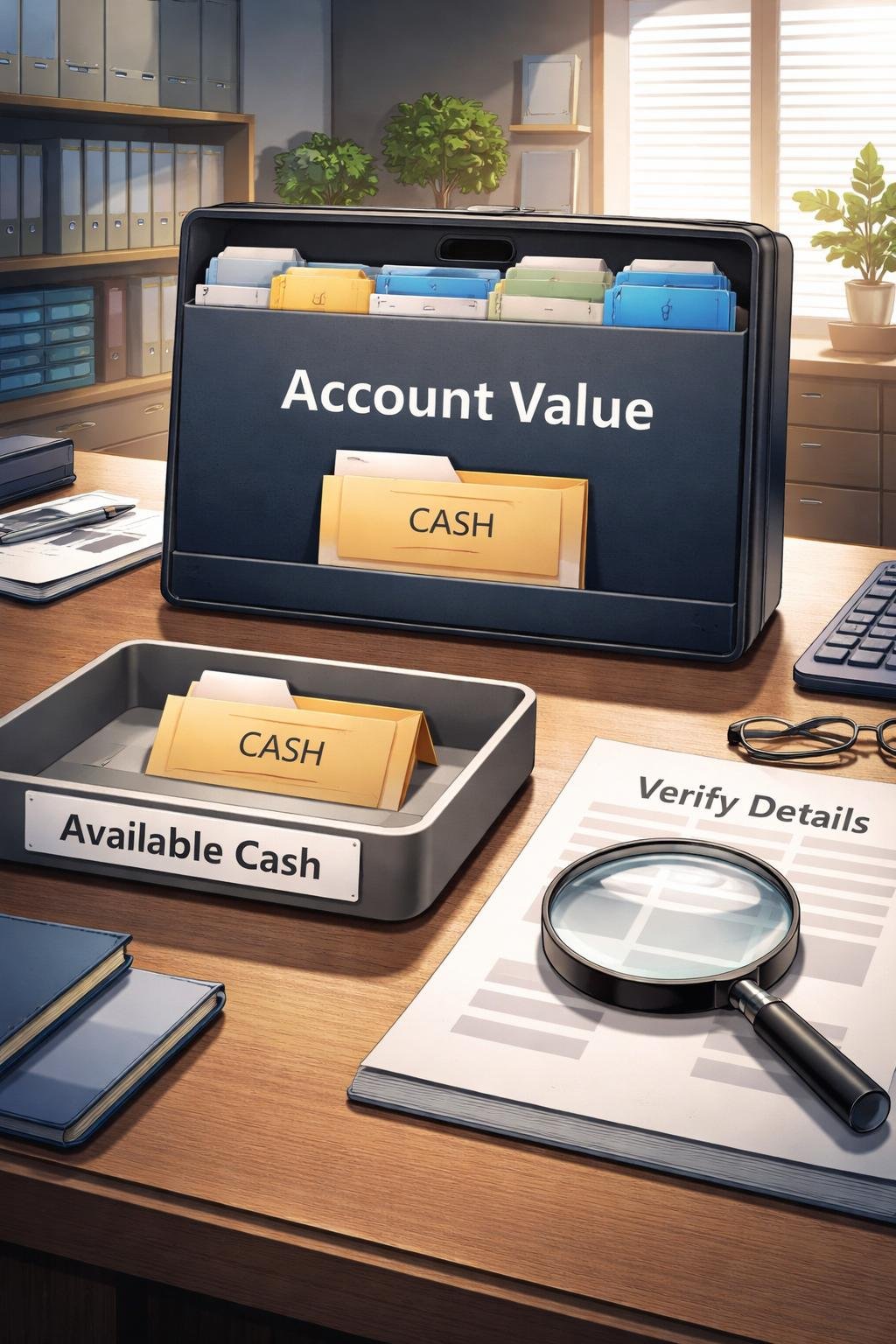
- Confusing account value with withdrawable cash. Check the amount specifically labeled as available to withdraw.
- Trying to withdraw unsettled sale proceeds. Review the trade or cash status and wait until the broker identifies the proceeds as available.
- Overlooking sweep-program terms. Read the account agreement and statement instead of assuming all cash is handled in the same way.
- Selecting the wrong brokerage account. Confirm the account identifier before entering the amount.
- Choosing the wrong destination. Review the displayed destination information before submission.
- Relying on old or general instructions. Follow the broker’s current official process for your account.
- Skipping the final review. Check the amount, source, destination, and disclosures before authorizing the request.
- Ignoring the confirmation. Save the confirmation and monitor the request so that you can identify whether additional action is requested through an official channel.
Frequently Asked Questions
Must invested assets become cash before I can withdraw their value?
Invested securities are different from available cash. Their value is not automatically a withdrawable cash balance. Selling an asset can create sale proceeds, but whether to sell is a separate decision, and the resulting proceeds may need to settle before they are available to withdraw.
Why are proceeds from a recent sale not yet withdrawable?
The trade may not have settled. Review the trade status and the amount the broker identifies as available to withdraw rather than relying only on the cash balance displayed elsewhere in the account.
What does a bank sweep program mean?
It is an arrangement that places brokerage cash in one or more bank accounts under the program’s terms. Your account agreement and statement can identify whether you participate in a sweep program and explain how it works.
Can brokerage cash be accessed in other ways?
Some cash-management programs may support bill payment, debit cards, or check writing. Availability depends on the broker and account, so check the current official terms before relying on any option.
Where can I find the requirements for my account?
Review your broker’s current official withdrawal instructions, account agreement, statements, and authenticated account information. Contact the broker through an official support channel if those materials do not answer your question.
How long will a withdrawal take, and will there be a fee?
Do not assume that one timetable or fee applies to every account. Check the disclosures presented for your request and the broker’s current official information for applicable processing details, fees, limits, and holds.
Key Takeaway

First identify cash that is both available and settled. Then review any sweep-program and account terms, follow the broker’s current official withdrawal process, and verify the destination and amount before submitting the request.
Keep the confirmation and monitor the request through the broker’s official channel. Most importantly, do not assume that the total value of a brokerage account is immediately withdrawable.
References
- Trading in Cash Accounts – Investor Bulletin | Investor.gov — https://www.investor.gov/introduction-investing/general-resources/news-alerts/alerts-bulletins/investor-bulletins/updated-9
- Investor Bulletin: Bank Sweep Programs | Investor.gov — https://www.investor.gov/introduction-investing/general-resources/news-alerts/alerts-bulletins/investor-bulletins-78
- Don’t Lose Interest: Managing Cash in Your Brokerage Account | Syndication — https://syndication.finra.org/content/dont-lose-interest-managing-cash-your-brokerage-account
Disclaimer
This article is provided for general educational and informational purposes only. It is not investment, financial, legal, or tax advice, and it is not a recommendation or solicitation to buy, sell, hold, or avoid any security or financial product.
Financial information, company information, market conditions, fees, rules, regulations, and platform details can change. Investing involves risk, including the possible loss of principal. Verify important current information through relevant official sources and consider your circumstances, objectives, and risk tolerance before making financial decisions.
Image Notice: Images may be AI-generated educational illustrations provided for visual explanation only and should not be interpreted as exact representations of real companies, people, products, documents, financial data, or investment outcomes.