
Getting Started With a Stock Screener
Learning how to use a stock screener can help you find, narrow, and compare U.S. stocks according to criteria you understand. A screener organizes an initial search, but it does not identify guaranteed winners or replace careful company research.
This guide explains what screeners do, how to prepare a focused search, how to compare similar companies, and what to investigate after creating a shortlist.
What a Stock Screener Is
A stock screener is a research tool that filters a large group of stocks according to selected screening criteria. Screening criteria are the measurements or categories you ask the tool to use when deciding which stocks appear in the results.
Available information may include stock price, market capitalization, performance measures, analyst estimates, and industry classifications. A stock price is the quoted price of one share. Market capitalization is a measure of a company’s market value based on its share price and shares outstanding.
A performance measure describes a selected aspect of historical performance. Its meaning depends on the specific measure and period shown. An analyst estimate is an expectation produced by an analyst rather than a reported company result.
An industry is a group of businesses engaged in similar activities. A peer is another company considered sufficiently similar for a useful comparison, often because it operates in the same or a closely related industry.
The output of a screener is a research list. Appearing in that list is not an investment recommendation, a quality rating, or evidence that a stock will produce a particular return.
Why Investors Use Stock Screeners

A screener can make an initial search more manageable. Instead of reviewing companies without a defined method, a user can select relevant criteria and focus on the resulting list.
Financial resources can provide information such as stock prices, market capitalization, performance measures, and analyst estimates. These data points can help organize comparisons, but each one needs to be understood in context.
Comparing several companies in the same industry can provide context about an individual company, its competitors, and industry performance. For example, a figure that appears unusual in isolation may become easier to interpret when it is compared with figures for relevant peers using comparable periods and definitions.
Screening is therefore useful for finding candidates for further study and arranging information consistently. It does not decide which security, if any, fits a person’s objectives or risk tolerance.
What to Decide Before You Start

Begin with a clear research question. A question such as “Which companies in one U.S. industry meet the measurements I want to investigate?” is more focused than simply searching for the “best” stocks.
Choose measurements that relate to that question. If you cannot explain what a criterion measures and why it belongs in the search, learn its meaning before applying it.
Prepare to compare similar companies. Industry classifications can help identify peers, but you should still consider whether the businesses are similar enough for the comparison to be meaningful.
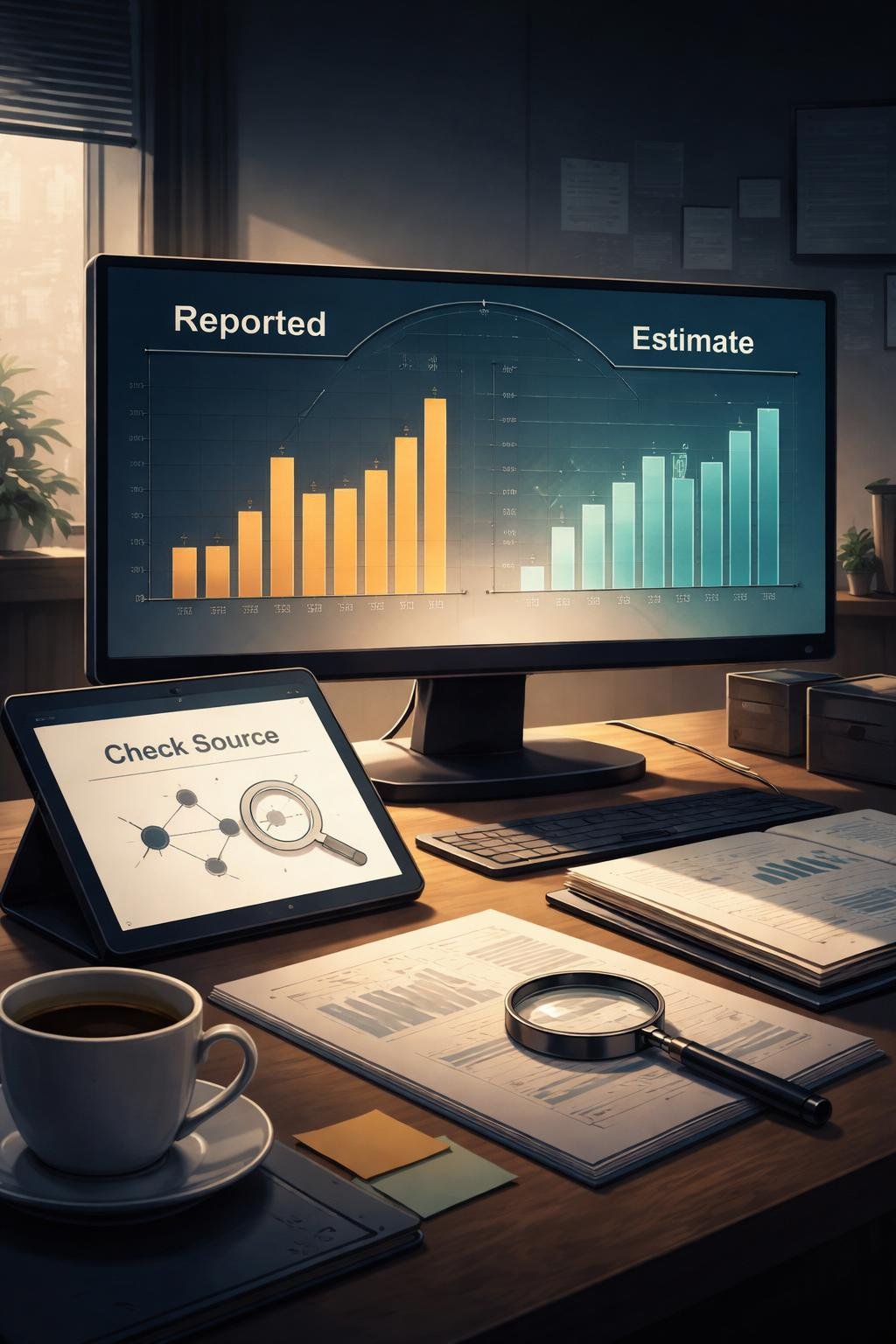
Before relying on displayed information, check its definition, source, reporting period, and currentness. A performance figure may cover a different period from another figure, while an estimate should not be treated as though it were a reported result.
Avoid selecting unexplained numerical thresholds merely because a platform makes them available. A threshold should serve the research question rather than act as an assumed universal rule.
How to Use a Stock Screener Step by Step

- Open a suitable screening resource. Choose a resource that covers the market you want to research and explains its data fields. Platform coverage, definitions, and features can differ, so review the tool’s own current documentation.
- Define the stock universe. Set the search to the relevant U.S. stock universe if that option is available. Confirm what the provider includes rather than assuming that every U.S. security is covered.
- Select a small set of understandable criteria. Start with criteria connected to your research question, such as industry, stock price, market capitalization, a clearly defined performance measure, or analyst estimates. Use only fields whose meanings you understand.
- Apply the criteria. Run the screen and observe how each filter changes the results. If almost nothing remains, check whether the criteria are unnecessarily restrictive or poorly matched.
- Review the resulting list. Treat every result as a possible research subject, not as a buy or sell signal. Look for missing information, unexpected companies, or fields that use different periods or definitions.
- Organize companies by industry. GICS classifications can help identify and compare industry peers. Classification is a useful starting point, but it does not eliminate the need to understand what each company actually does.
- Compare several peers. Review multiple companies from the same relevant industry rather than judging one company in isolation. Keep definitions and reporting periods consistent where possible.
- Investigate the shortlist. Verify material information through relevant official sources, such as company disclosures and other appropriate official information. Separate reported historical results from analyst estimates or other expectations.
Hypothetical example: A beginner might screen for companies in one selected industry and then compare their market capitalizations and one clearly defined performance measure. This is an illustration of a workflow, not a recommended set of criteria or an instruction to invest in any result.
Important Limits and Risks
A screener simplifies an initial search, so it cannot provide a complete assessment of a company. Its results are a starting point for due diligence rather than proof of investment quality or future returns.
Financial information, analyst estimates, industry classifications, market conditions, and platform details can change. A saved screen may therefore produce different results later, and previously viewed information may no longer be current.
Figures may also cover different reporting periods or use different definitions. Comparing them without checking those details can produce a misleading impression.
Historical performance describes the past and does not establish future results. Analyst estimates are expectations, not facts about what a company will report or what its stock price will do.
Verify material current information through relevant official sources before making an independent financial decision. Investing involves risk, including the possible loss of principal.
Common Stock-Screening Mistakes
- Using criteria without understanding them. Read the definition of each field and determine how it relates to the research question before applying it.
- Applying too many filters. A large collection of criteria can hide potentially relevant comparisons or leave an unhelpfully small list. Begin with a limited set and add criteria only when they have a clear purpose.
- Treating arbitrary thresholds as universal rules. A cutoff chosen for one hypothetical search does not automatically suit another question, company group, or investor.
- Comparing unrelated companies. Businesses in different industries may operate under different conditions. Start with relevant peers and investigate whether their operations are sufficiently similar.
- Overlooking reporting periods and sources. Check when the information was measured, what period it covers, and where it came from before making comparisons.
- Relying on one metric. A single measurement provides only a limited view. Use the screen to organize broader research rather than turning one field into a complete conclusion.
- Confusing estimates with reported results. Label analyst estimates as expectations and keep them separate from historical figures reported by a company.
- Treating a result as a trading signal. Inclusion in or exclusion from a screen is not an instruction to buy, sell, hold, or avoid a security.
Frequently Asked Questions
Does a stock screener recommend stocks?
No. It filters a stock universe according to selected criteria. The resulting list requires further research and does not represent an investment recommendation.
How many criteria should a beginner use?
There is no universal number. Start with a small set that directly supports a clear research question, and add another criterion only when you understand its meaning and purpose.
Why do same-industry comparisons matter?
Companies in the same industry may be more relevant peers than unrelated businesses. Comparing several industry peers can provide context about a company, its competitors, and broader industry performance.
What does GICS mean in a stock screener?
In this context, GICS refers to a classification framework that helps group companies by industry. These classifications can help users identify possible peers for comparison, although the classification alone does not provide a complete picture of a company.
Are analyst estimates facts?
No. Analyst estimates are expectations. They should be kept separate from reported historical results and should not be treated as certain future outcomes.
What research should follow a screen?
Review the shortlisted companies using relevant official information. Check company disclosures, the periods covered by financial figures, the source and currentness of the data, and whether the selected companies are genuinely comparable.
Key Takeaways

- Begin with a specific research question rather than searching for a guaranteed winner.
- Use only screening criteria that you understand and can connect to that question.
- Compare several relevant industry peers instead of viewing one company in isolation.
- Treat screener results as a research list, not as a recommendation or trading signal.
- Check definitions, sources, reporting periods, and the difference between estimates and reported results.
- Verify important current information before making an independent financial decision.
References
- Stock Investing and Due Diligence | Syndication — https://syndication.finra.org/content/stock-investing-and-due-diligence
Disclaimer
This article is provided for general educational and informational purposes only. It is not investment, financial, legal, or tax advice, and it is not a recommendation or solicitation to buy, sell, hold, or avoid any security or financial product. Financial information, company information, market conditions, fees, rules, regulations, and platform details can change. Investing involves risk, including the possible loss of principal. Verify important current information through relevant official sources and consider your own circumstances, objectives, and risk tolerance before making financial decisions.
Image Notice: Images may be AI-generated educational illustrations provided for visual explanation only and should not be interpreted as exact representations of real companies, people, products, documents, financial data, or investment outcomes.